By Richard M. SwiderskiSome performances of the Malay wayang Siam, the shadow theatre, contain a striking little drama. The forest clown, Peran Hutan, out hunting in the forest, is attacked by a tiger. After a fierce struggle he subdues the beast but is unable to quit the carcass of lingering evil influences and must seek the help of his master ...
By Dave Lumenta For borderzone Iban communities living deep in West Kalimantan‘s forested interior, the Indonesian State is as alien the latter would conversely think in turn about them. For Kalimantan, Indonesia‘s largest landmass that shares an international border with Eastern Malaysia of over 2,000 kilometers long, border zone ...
By Fabio Todescini , Afrique du Sud / South Africa [1] The Oxford English Dictionary defines heritage as “that which has been or may be inherited; any property, and especially land, which devolves by right of inheritance”. [2] The use of the hybrid term “cultural heritage” has, of course, expanded the meaning. With increasing emphasis ...
The king who ruled Malacca was described as the source and centre of all secular power. With the exalted position of the king in the system of government, the source of power possessed by him and the sanction conveyed by the attributes of sovereignty was channelled towards initiating the administrative mechanism and power. The concept of ...
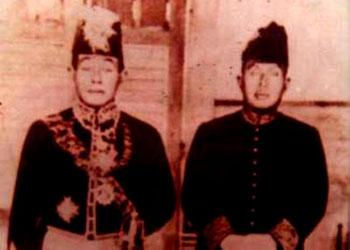
It has often been said that much of the impact left behind by Malacca has been in the form of traditions of government and in the provision of a socio-political legacy which is related to the scope and concept of the sultanates in modern Malaysia. Furthermore, when we discuss various aspects of the sultanate in several states, and of the ...
By Minako SakaiReformasi and regional autonomy have created a popular expectation that power will be transferred from Indonesia‘s centre to local people. The resurgence in interest and identification with Malay ethnicity is one example of this recent trend. Distinctively, the revival of ‘Malayness‘ represents an outward looking or global ...
By Alexander Horstmann Many borderlands in Southeast Asia—in southern Thailand, East Timor, Papua New Guinea, Sulawesi, Aceh, southern Philippines, Myanmar—have become violent. In the peripheral spaces of Southeast Asian nation-states, people flee from horrific acts of violence committed by state forces, military units, border guards, ...

 Today
Today  Yesterday
  Last week
  Last month