You are visitor number 105.216.314 Since 01 Muharam 1428 ( January 20, 2007 )
AGENDA
No data available
News
09 oktober 2007 01:36
In the Age of Fastfood Culture, don`t Forget the Native Food
DavaoCity – In the age of fastfood, communities shouldn‘t forget their indigenous food and cuisine, Tausug women said during the 7th Mindanao Culinary Festival here.
Hadja Aisa Ismael, president of the Davao-based Mindanao Islamic Women‘s and Children‘s Welfare Foundation, said sidelining native food would mean undermining one‘s culture and traditions.
The group participated in the festival here and displayed food delicacies at the Indigenous Food Pavillion. Ismael said indigenous food of indigenous communities has unique taste but at times is ignored in favor of the fast food culture.
She said indigenous food should be promoted alongside the growth of the culinary industry in Mindanao to allow indigenous communities "to hold on to their culture and use it as a means to educate their children of their origins".
In modern day Mindanao, "leaders should also help communities keep their own culinary treasures, as it could also be a way to promote intercultural dialogue, understanding and peace,” she said.
She said the group had planned to put up a halal restaurant in DavaoCity but was hindered by the lack of capital.
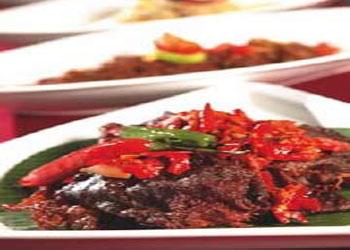
Guests such as former Ms. Universe Margarita Moran Floirendo, Councilor Leo Avila III, and chefs participating in the exposition sampled Tausug food such as spicy curry Kulma and beef-coconut specialty Chula Itum.
A crowd favorite was daral, a dessert with grated sweet young coconut as filling.
The women‘s group also featured the pyuto, made of ground cassava, which they refer to as the food of the "brave and strong" Moro warriors.
"Pyuto is a symbol of strength and resilience among the Moro people, not just in times of trouble, but also on ordinary days to survive hunger," said Auliya Daud, who works at the DavaoCity madrasah office.
She said pyuto is best taken as a staple food to match the fresh and abundant seafoods in the Sulu, Tawi-tawi and Basilan islands.
Daud said promoting their food in a non-Moro area drew positive results for them.
She said that after tasting, people "begin to see the similarities and differences” of their native cooking.
Tausug food took centerstage at the pavilion on day one of the three-day festival. On day two indigenous communities from Talaingod, Davao del Norte and CompostelaValley will present their own cuisine. On the third day, it will be the Bagobos‘ turn to feature their food.
Thousands, mostly students, flocked to NCCC Mall Friday for the opening day of the three-day festival.
At least 20 culinary competitions were slated for both professionals and students in this year‘s festival. Food processors, restaurant operators, suppliers and other food stakeholders also put up exhibitions.


 Today
Today  Yesterday
  Last week
  Last month